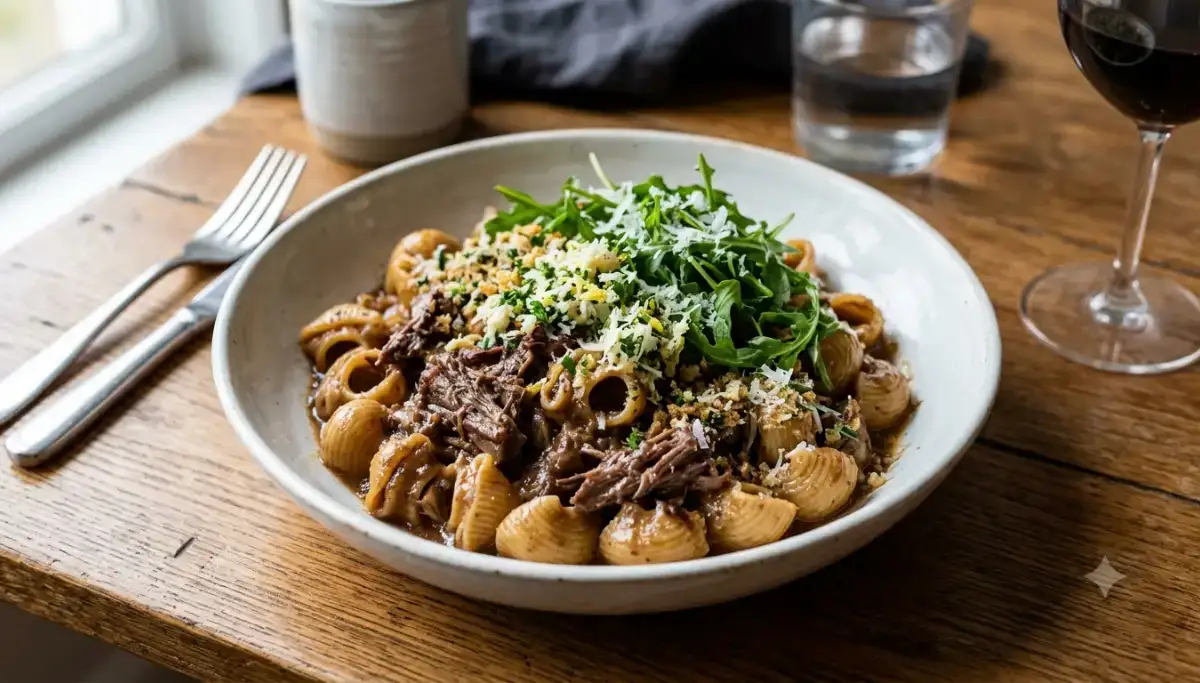
North Italia Braised Short Rib Lumache Recipe: If you have ever ordered the Braised Short Rib Lumache at North Italia, you probably remember the combination before you remember the name. Tender short rib, rich pasta, creamy cheese, fresh greens, and a little sharpness from horseradish come together in a way that feels much more special than an ordinary pasta dinner.
The restaurant currently lists its Braised Short Rib Lumache with grana padano crema, horseradish gremolata, herb breadcrumb, and arugula. The dish appears on North Italia’s Fresh Pasta & Entrées menu at several locations, although prices can vary by location.
I wanted to create a homemade version that captures those same flavors without making the cooking process unnecessarily complicated. My version uses slowly braised beef short ribs, a rich cooking sauce, shell-shaped lumache pasta, creamy Grana Padano, fresh arugula, crisp herb breadcrumbs, and a bright horseradish gremolata.
Hi, my name is Om Shinde. I am a chef, and I enjoy making restaurant-inspired recipes at home using ingredients that are easy to understand and practical to work with. When I make a recipe like this, I focus on getting the important flavors right rather than making the method complicated.
Recipe Overview
| Detail | Information |
|---|---|
| Prep Time | 25 minutes |
| Cook Time | 3 hours |
| Total Time | About 3 hours 25 minutes |
| Cuisine | Italian-American |
| Course | Main Course |
| Servings | 6 |
| Difficulty | Medium |
| Estimated Cost | $30–$38 |
| Best Served | Warm |
This is not an official North Italia recipe. It is a homemade copycat-style interpretation inspired by the ingredients North Italia lists for its Braised Short Rib Lumache. The restaurant’s menu specifically identifies the pasta with Grana Padano crema, horseradish gremolata, herb breadcrumb, and arugula.
Why This Pasta Feels Like a Restaurant Dish
There is something different about pasta when the sauce has been built slowly instead of being made in a few minutes.
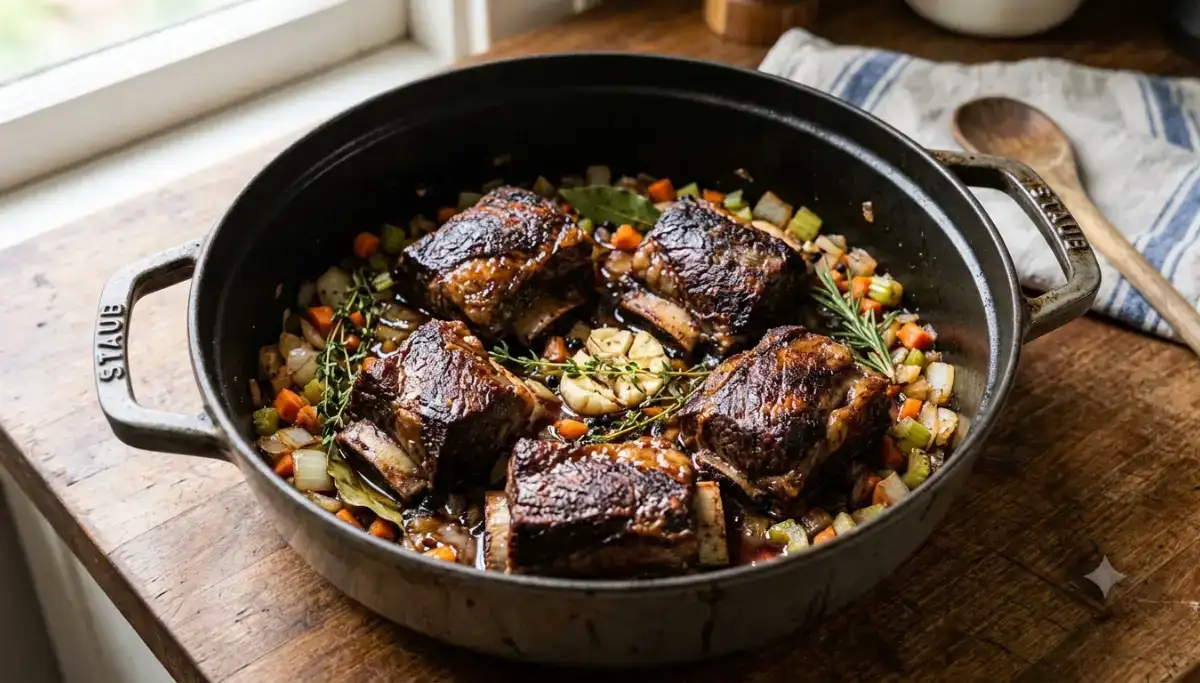
The short ribs are cooked gently until the meat becomes tender enough to pull apart with a fork. During that long cooking time, the beef releases its richness into the braising liquid, creating a deeply flavored sauce that works beautifully with pasta.
Then comes the creamy element. Grana Padano adds a salty, nutty character that makes the sauce feel luxurious without requiring an enormous amount of cream.
What I really enjoy, though, is the contrast. The horseradish gremolata brings brightness and gentle heat, the arugula adds freshness, and the herb breadcrumbs provide a little crunch.
That combination keeps the pasta from feeling too heavy.
The Ingredients That Build the Flavor
| Ingredient | Quantity | Notes |
|---|---|---|
| Beef short ribs | 3 lb | Bone-in preferred |
| Olive oil | 3 tbsp | For searing |
| Yellow onion | 1 large | Finely diced |
| Carrots | 2 | Diced |
| Celery | 4 stalks | Diced |
| Garlic | 1 whole head | Halved |
| Tomato paste | 3 tbsp | Adds depth |
| Dry red wine | 3 cups | For braising |
| Beef stock | 5 cups | Low-sodium preferred |
| All-purpose flour | 2 tbsp | Helps thicken |
| Bay leaves | 3 | For aroma |
| Fresh rosemary | 2 sprigs | Fresh preferred |
| Fresh thyme | 1 bundle | For braising |
| Salt | 2 tsp | Adjust to taste |
| Black pepper | 1½ tsp | Freshly cracked |
| Onion powder | 1 tbsp | Optional flavor boost |
| Garlic powder | 1 tbsp | Optional flavor boost |
Pasta and Finishing Ingredients
| Ingredient | Quantity | Notes |
|---|---|---|
| Lumache pasta | 1 lb | Shell-shaped pasta |
| Grana Padano | ½–¾ cup | Freshly grated |
| Herb breadcrumbs | ¾ cup | For topping |
| Fresh arugula | 2 cups | For finishing |
| Fresh parsley | Small handful | Chopped |
| Fresh chives | Small handful | Chopped |
| Fresh horseradish | 1–2 tbsp | Adjust to taste |
| Lemon zest | 1 tsp | For gremolata |
| Lemon juice | 1 tbsp | Freshly squeezed |
| Olive oil | 1 tbsp | For gremolata |
The ingredient combination is designed around the flavor profile of the restaurant dish. North Italia’s official menu lists Grana Padano crema, horseradish gremolata, herb breadcrumb, and arugula as its components.
The Secret Is in the Short Rib
The short ribs are the part of this recipe that deserves the most attention.
I do not rush the braising process because tough beef needs time to become tender. A quick cooking method can leave the meat chewy, while slow cooking allows the connective tissue to break down and the meat to become soft and rich.
I like using bone-in short ribs when available because they work particularly well for long braising. Before cooking, I pat the ribs dry and season them properly.
Getting a good brown crust on the outside is also important. That browned surface contributes much more flavor to the finished sauce than simply putting raw meat into the braising liquid.
How I Build the Braising Base
Step 1: Prepare the Short Ribs
I begin by patting the short ribs dry with paper towels.
I season them generously with salt and freshly cracked black pepper. If you are using the optional onion and garlic powders, I mix a little into the seasoning before rubbing it over the meat.
The ribs should be seasoned on all sides.
Step 2: Sear Until Deeply Browned
I heat olive oil in a large Dutch oven or heavy oven-safe pot over medium-high heat.
I add the short ribs in batches rather than overcrowding the pot. I sear each side until deeply browned.
This step takes a little patience, but I never skip it. The browned bits left on the bottom of the pot become part of the flavor base for the sauce.
Once the ribs are browned, I transfer them to a plate.
Step 3: Cook the Vegetables
I add the diced onion, carrots, and celery to the same pot.
I cook them for several minutes until they begin to soften and pick up some of the browned flavor from the bottom of the pot.
Then I add the halved garlic head and cook it briefly.
Step 4: Add Tomato Paste
I stir in the tomato paste and cook it for a couple of minutes.
Cooking the tomato paste before adding the liquid gives it a deeper flavor and removes some of the raw tomato taste.
I make sure to scrape the bottom of the pot gently while stirring.
Step 5: Pour in the Wine
Now I add the dry red wine.
I let it simmer for several minutes while scraping the browned bits from the bottom.
This is one of my favorite parts of the process because the smell changes almost immediately. The wine combines with the vegetables, tomato paste, and browned beef flavors to create a rich base.
Step 6: Add Stock and Herbs
I return the short ribs to the pot and add the beef stock.
Then I add the bay leaves, rosemary, and thyme.
The liquid should come reasonably high around the ribs, although the meat does not need to be completely submerged.
I bring everything to a gentle simmer.
The Slow Braise Makes the Difference
Step 7: Braise the Beef
I cover the pot and place it in a preheated oven at about 325°F (165°C).
I let the short ribs cook for approximately 2½ to 3 hours, checking toward the end of the cooking time.
The exact time can vary depending on the size of the ribs. I know they are ready when the meat is very tender and can be pulled apart easily with a fork.
I remove the pot from the oven and let the ribs rest in the cooking liquid for a few minutes.
Step 8: Shred the Meat
Once the short ribs are cool enough to handle, I remove the bones and excess pieces of fat.
Then I pull the meat apart into bite-sized pieces.
I do not shred it into tiny strands. I prefer having small, tender pieces of beef throughout the pasta because they provide a better texture.
Step 9: Strain and Reduce the Sauce
I strain the braising liquid and remove the cooked vegetables and herbs.
Then I return the liquid to the pot and simmer it until it becomes slightly concentrated.
If the sauce needs more body, I can use a small amount of flour slurry or simply allow it to reduce naturally.
The goal is a sauce that coats the pasta rather than sitting thinly at the bottom of the bowl.
Read Also: Ina Garten Tomato Crostini Recipe: A Fresh, Creamy Appetizer
Bringing the Pasta Into the Story
Step 10: Cook the Lumache
I bring a large pot of salted water to a boil and cook the lumache according to the package instructions.
I prefer cooking it just until al dente because it will continue cooking slightly when combined with the hot sauce.
Before draining, I reserve about one cup of pasta water.
That starchy water can be extremely useful for loosening the sauce and helping everything come together.
Step 11: Create the Creamy Finish
I add the shredded short rib to the reduced braising sauce.
Then I add the cooked lumache and a little reserved pasta water.
I gradually stir in the freshly grated Grana Padano.
The cheese melts into the warm sauce, creating a creamy coating around the pasta.
I avoid adding too much cheese at once because I want the sauce to stay smooth.
The Fresh Toppings Are Not Just Decoration
Step 12: Make the Horseradish Gremolata
For the gremolata, I combine fresh horseradish with lemon zest, lemon juice, chopped parsley, and a little olive oil.
The mixture should taste bright, fresh, and slightly sharp.
I use horseradish carefully because I want it to cut through the richness rather than dominate the entire plate.
This fresh element is especially useful in a dish as rich as braised short rib pasta.
Step 13: Finish With Herb Breadcrumbs
I toast breadcrumbs with a little olive oil and fresh herbs until they become golden and crisp.
I like adding them at the very end so they maintain their crunch.
The contrast between creamy pasta, tender beef, fresh arugula, and crisp breadcrumbs makes every bite more interesting.
Step 14: Add Arugula and Serve
Finally, I toss a small amount of fresh arugula through the hot pasta or use it as a topping.
The heat softens it slightly without completely removing its fresh character.
I finish each serving with extra Grana Padano, horseradish gremolata, and herb breadcrumbs.
How I Keep the Sauce From Becoming Too Heavy
The biggest mistake with a short rib pasta is making everything rich at the same time.
Because the beef and cheese already provide plenty of richness, I keep the finishing ingredients relatively fresh and bright.
That is why lemon, horseradish, and arugula are important in this version.
I also recommend using freshly grated cheese rather than relying entirely on pre-shredded cheese. Freshly grated cheese generally melts more smoothly into a warm sauce.
My Best Tips for a Better Result
Do Not Rush the Browning
Deeply browned short ribs create a better foundation for the final sauce. Give each side enough time to develop color.
Use Low-Sodium Stock
This gives you more control over the final seasoning. The cheese and braising liquid can already contain plenty of salt.
Save Pasta Water
Even if you think you will not need it, reserve some before draining the pasta. A little starchy water can help create a smoother sauce.
Grate the Cheese Fresh
Freshly grated Grana Padano melts beautifully into the warm sauce and gives a more pronounced nutty flavor.
Keep the Gremolata Bright
Do not make the horseradish mixture too heavy. Its job is to provide contrast to the rich short rib.
Storage and Reheating
If I have leftovers, I transfer them to an airtight container and refrigerate them once the food has cooled appropriately.
The pasta can generally be refrigerated for about 3 to 4 days.
When reheating, I prefer using a saucepan over low to medium heat. I add a small splash of beef stock or water to loosen the sauce before warming.
Microwave reheating also works, but I recommend heating in short intervals and stirring between them.
I would add fresh arugula, gremolata, and breadcrumbs after reheating rather than storing them mixed into the pasta. This keeps the fresh and crunchy elements much more enjoyable.
Nutrition Information
The following figures are approximate because the final nutrition values depend on the exact cut of beef, amount of cheese, pasta brand, and serving size.
| Nutrient | Approx. Per Serving |
|---|---|
| Calories | 700–800 kcal |
| Protein | 40–50 g |
| Carbohydrates | 60–70 g |
| Fat | 30–40 g |
| Fiber | 4–7 g |
| Sodium | 800–1,100 mg |
| Calcium | Moderate to high |
| Iron | Moderate |
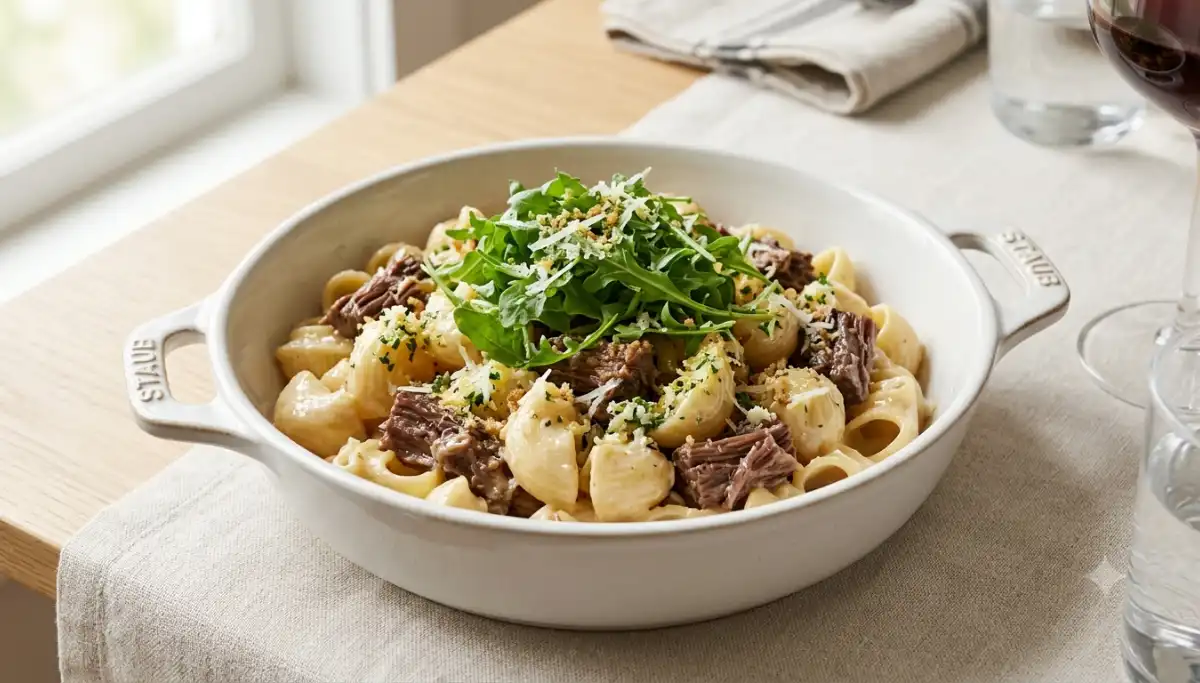
For a lighter version, you can reduce the amount of cheese and use a slightly leaner short rib preparation. However, the traditional appeal of this dish comes from its rich, slow-cooked character.
Frequently Asked Questions
What is North Italia Braised Short Rib Lumache?
It is a restaurant-style pasta dish featuring braised short rib served with lumache pasta and finished with Grana Padano crema, horseradish gremolata, herb breadcrumbs, and arugula. Those components are listed on North Italia’s current menu.
What type of pasta is lumache?
Lumache is a small, shell-shaped pasta. Its curved shape is particularly useful for holding thick sauces, shredded meat, and small toppings.
Can I use another pasta instead of lumache?
Yes. If lumache is unavailable, you can use shells, rigatoni, orecchiette, or another short pasta with a shape that can hold a rich sauce.
Can I make this recipe without red wine?
Yes. You can replace the wine with additional beef stock. The flavor will be slightly different because red wine contributes acidity and depth to the braising liquid.
Can I prepare the short ribs a day ahead?
Yes. In fact, preparing the short ribs ahead can make the final meal easier. Refrigerate the cooked meat and sauce separately or together, then gently reheat before combining with freshly cooked pasta.
Why is my short rib still tough?
If the meat is still tough, it usually needs more cooking time. Short ribs become tender when the connective tissue has had enough time to break down, so continue braising gently until the meat pulls apart easily.
What can I use instead of Grana Padano?
Parmigiano-Reggiano is a good alternative. It has a similarly savory and nutty character and works well in creamy pasta sauces.
Is horseradish necessary?
Horseradish is important to the flavor profile of this particular dish because North Italia lists horseradish gremolata as one of its components. However, if you dislike horseradish, you can reduce it or leave it out.
Can I freeze the short rib sauce?
Yes. The braised short rib and sauce can be frozen separately from the pasta. I prefer cooking fresh pasta when serving because its texture is generally better than frozen and reheated pasta.
How do I make the breadcrumbs extra crispy?
Toast them in a little olive oil over medium heat until golden brown, then let them cool before adding them to the pasta. Keeping them separate until serving helps preserve their crunch.
Conclusion: This North Italia Braised Short Rib Lumache Recipe is the kind of meal I like making when I want something that feels restaurant-worthy without needing complicated techniques. The slow-braised short rib provides the deep savory foundation, while the creamy Grana Padano sauce brings everything together. What makes the dish especially interesting is the contrast from the horseradish gremolata, fresh arugula, and crisp herb breadcrumbs.
The official North Italia menu describes the dish with exactly that combination of Grana Padano crema, horseradish gremolata, herb breadcrumb, and arugula, making those finishing elements important when trying to recreate its overall character at home. I would not try to rush the short ribs. Give them time, let the sauce reduce properly, cook the pasta until al dente, and add the fresh toppings right before serving. Those small details are what turn a simple bowl of pasta into a rich, layered dinner that feels genuinely special.
finewood bow valheim recipe
A rich and comforting braised short rib lumache pasta made with tender beef, creamy Grana Padano sauce, horseradish gremolata, herb breadcrumbs, and fresh arugula.
Type: Main Course
Cuisine: Italian-American
Keywords: North Italia Braised Short Rib Lumache Recipe, braised short rib pasta, lumache pasta recipe, North Italia pasta, short rib lumache
Recipe Yield: 4 servings
Calories: About 850 kcal per serving
Preparation Time: PT30M
Cooking Time: PT3H
Total Time: PT3H30M
Recipe Ingredients:
- Lumache pasta – 1 lb
- Bone-in short ribs – 3 lbs
- Yellow onion – 1
- Carrots – 2
- Celery – 4 stalks
- Garlic – 1 whole head
- Tomato paste – 3 tbsp
- Dry red wine – 3 cups
- Low-sodium beef stock – 5 cups
- Butter – 2 tbsp
- Olive oil – 3 tbsp
- Flour – 2 tbsp
- Rosemary – 2 sprigs
- Bay leaves – 3
- Fresh thyme – as needed
- Parmigiano-Reggiano/Grana Padano – ½–¾ cup
- Beef bouillon – 2 tsp
- Onion powder – 1 tbsp
- Garlic powder – 1 tbsp
- Black pepper – 1½ tsp
- Salt – as needed
- Fresh parsley/chives – for garnish
- Horseradish – for gremolata
- Arugula – for serving
- Herb breadcrumbs – for topping
Recipe Instructions: Pat the short ribs dry and season them with salt, black pepper, garlic powder, and onion powder. Heat olive oil in a large Dutch oven over medium-high heat. Sear the short ribs on all sides until deeply browned, then transfer them to a plate. In the same pot, add chopped onion, carrots, celery, and garlic. Cook until the vegetables begin to soften. Stir in tomato paste and flour and cook for 1–2 minutes. Pour in the red wine and scrape the browned bits from the bottom of the pot. Let it simmer for a few minutes. Return the short ribs to the pot and add beef stock, bay leaves, rosemary, thyme, and beef bouillon. Cover and braise in a preheated 325°F (165°C) oven for 2½–3 hours, or until the meat is very tender. Remove the short ribs, discard the bones and excess fat, and shred the meat. Reduce the braising sauce until rich and slightly thickened, then return the shredded beef to the sauce. Cook the lumache pasta in salted boiling water until al dente and reserve a little pasta water before draining. Toss the pasta with the short rib sauce, adding pasta water if needed. Stir in grated Grana Padano or Parmigiano-Reggiano. Prepare the horseradish gremolata by combining fresh herbs, lemon zest, and horseradish. Serve the pasta topped with horseradish gremolata, herb breadcrumbs, and fresh arugula. Finish with extra grated cheese and serve immediately.
1 thought on “North Italia Braised Short Rib Lumache Recipe”