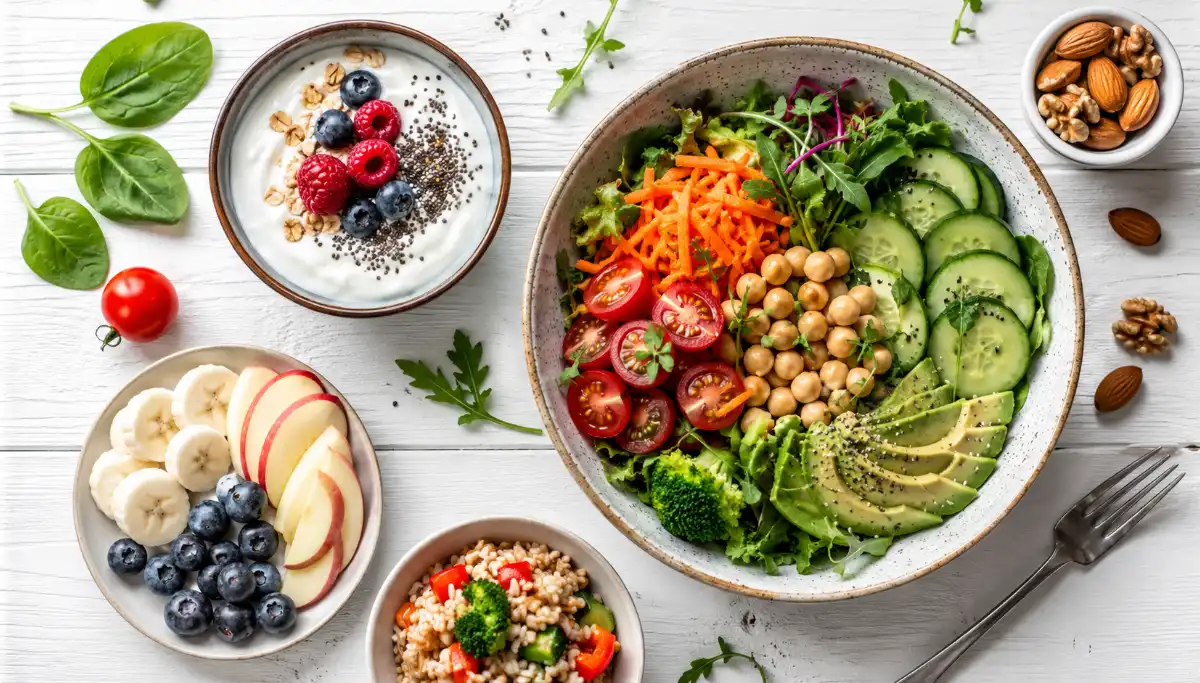
Justalittlebite Healthy Foods: When I think about healthy food, I do not think every meal needs to be complicated, expensive, or completely different from what I normally eat. The idea behind Justalittlebite Healthy Foods is much simpler: choose wholesome ingredients, keep portions sensible, and make everyday meals enjoyable enough to stick with.
I like this approach because healthy eating becomes easier when I can make small improvements instead of changing everything at once. Fresh fruits, vegetables, whole grains, beans, eggs, nuts, seeds, and other minimally processed foods can all have a place on the plate.
Hi, my name is Om Shinde. I am a chef, and I enjoy experimenting with simple ingredients in my kitchen. I have always believed that good food should be enjoyable as well as practical. My family and relatives often try the recipes and food combinations I prepare, and their feedback helps me improve them. I also enjoy sharing simple food ideas on social media.
In this guide, I am sharing the way I approach Justalittlebite Healthy Foods, including breakfast, lunch, snacks, dinner, preparation ideas, ingredient choices, and simple ways to make everyday meals more balanced.
What Does Justalittlebite Healthy Foods Mean?
Justalittlebite Healthy Foods can be understood as a collection of simple, nourishing food ideas that focus on everyday ingredients rather than complicated cooking techniques. The goal is not to make food boring or restrictive. Instead, I like focusing on meals that provide a useful combination of protein, carbohydrates, healthy fats, fiber, vitamins, and minerals.
A healthy meal can look very different from one person to another. Someone may prefer eggs and whole-grain toast in the morning, while another person may enjoy oatmeal with fruit. Both can be part of a balanced eating pattern when portions and ingredients are chosen thoughtfully.
For me, the most useful approach is to build meals around real foods and then adjust them according to hunger, activity level, taste, and personal dietary needs.
My Simple Healthy Food Formula
When I prepare a meal, I usually try to include several different food groups rather than relying heavily on just one ingredient.
| Food Group | Examples | Why I Include It |
|---|---|---|
| Protein | Eggs, beans, lentils, Greek yogurt | Helps make meals satisfying |
| Whole Grains | Oats, brown rice, whole-grain bread | Provides carbohydrates and fiber |
| Vegetables | Spinach, carrots, broccoli, tomatoes | Adds vitamins, minerals, and fiber |
| Fruits | Apples, berries, bananas, oranges | Adds natural sweetness and nutrients |
| Healthy Fats | Nuts, seeds, avocado, olive oil | Adds flavor and helps make meals satisfying |
| Dairy or Alternatives | Milk, yogurt, fortified alternatives | Can provide protein and calcium |
I do not try to include every category in every single meal. Instead, I look at the whole day and try to create variety.
A Breakfast That Keeps Things Simple
Breakfast does not have to be elaborate to be satisfying. One of my favorite approaches is combining a protein source with a fiber-rich carbohydrate and fruit.
For example, I can prepare scrambled eggs with whole-grain toast and sliced fruit. Another option is oatmeal topped with banana, berries, nuts, and a spoonful of yogurt.
I especially like oatmeal because it is easy to customize. I can change the fruit depending on what I have available, add cinnamon for flavor, or use nuts and seeds for extra texture.
If I am in a hurry, Greek yogurt with fruit and a small amount of nuts can be a convenient option.
Building a Better Lunch Plate
Lunch is where I find it especially useful to avoid making the meal too complicated.
I might combine brown rice or another whole grain with beans or lentils, cooked vegetables, and a simple salad. If I want something lighter, I can prepare a vegetable and egg bowl or a whole-grain sandwich filled with vegetables and a protein source.
The important thing for me is variety. Eating the same meal every day can quickly become boring, so I rotate vegetables, grains, sauces, herbs, and protein sources.
A colorful plate also makes the meal more appealing. Tomatoes, spinach, carrots, cucumber, peppers, and broccoli can make a simple lunch look much more interesting.
Healthy Snacks That I Actually Enjoy
I think snacks are often where healthy eating can become unnecessarily complicated.
I prefer simple choices such as fresh fruit, yogurt, roasted chickpeas, nuts, seeds, or vegetables with a suitable dip.
A banana with a small serving of nut butter can be satisfying, while an apple and a handful of nuts is another easy combination.
I also like keeping ready-to-eat fruit available because it makes choosing a nutritious snack much easier when I am hungry.
The key is not to label every snack as either “good” or “bad.” I simply try to choose foods that provide useful nutrition and fit comfortably into my overall eating pattern.
Dinner Without the Extra Complication
For dinner, I usually focus on creating a meal that feels complete without becoming too heavy.
A vegetable and lentil curry with brown rice can be a comforting option. Another simple meal is roasted vegetables with beans and whole-grain bread.
Eggs can also work well for a quick dinner. I can prepare an omelet filled with vegetables and serve it with a salad or whole-grain toast.
The biggest advantage of these meals is flexibility. If I do not have one vegetable available, I can easily replace it with another.
The Ingredients I Keep Around
| Ingredient | Simple Ways to Use It |
|---|---|
| Oats | Breakfast bowls and overnight oats |
| Eggs | Omelets, scrambled eggs, sandwiches |
| Lentils | Soups, curries, bowls |
| Chickpeas | Salads, roasted snacks, curries |
| Brown rice | Lunch and dinner bowls |
| Bananas | Smoothies, oatmeal, snacks |
| Apples | Snacks and breakfast |
| Spinach | Omelets, salads, curries |
| Tomatoes | Salads, sandwiches, sauces |
| Carrots | Snacks, salads, cooked dishes |
| Nuts | Toppings and snacks |
| Seeds | Oatmeal, yogurt, salads |
| Yogurt | Breakfast and snack bowls |
I find that keeping a few versatile ingredients at home makes healthy cooking much easier. When nutritious ingredients are already available, I am less likely to rely on highly processed convenience foods simply because they are easier.
How I Make Healthy Food Taste Better
Healthy food does not need to be bland.
I use herbs, spices, garlic, ginger, lemon juice, black pepper, and other flavorful ingredients to make simple dishes more enjoyable. Roasting vegetables can also bring out their natural sweetness and create a completely different texture compared with boiling them.
Another trick I like is adding contrasting textures. For example, creamy yogurt with crunchy seeds and fresh fruit can make a simple breakfast much more interesting.
I also avoid trying to remove every ingredient that makes food enjoyable. A balanced eating pattern can still include foods that are eaten mainly for pleasure.
Small Changes That Make a Big Difference
Choose Whole Foods More Often
Whenever practical, I try to choose foods that are minimally processed. Whole fruits, vegetables, beans, lentils, whole grains, nuts, seeds, and eggs are easy examples.
This does not mean processed foods must disappear completely. It simply means they do not need to make up the majority of every meal.
Add More Color
I find it easier to improve a meal by adding another vegetable or fruit than by removing something.
Adding spinach to an omelet, tomatoes to a sandwich, or berries to oatmeal can increase variety without making the recipe complicated.
Pay Attention to Portions
Even nutritious foods can contribute a lot of calories when eaten in very large quantities.
I prefer using reasonable portions and then listening to my hunger rather than automatically preparing an oversized serving.
Read Also: Tette delle Monache Recipe: A Light Italian Cream-Filled Pastry
Drink Enough Water
Water is one of the simplest choices I can make throughout the day. Instead of relying heavily on sugary drinks, I generally prefer water or other unsweetened beverages.
Individual fluid needs vary, especially with weather, activity, and other factors, so I do not follow one fixed amount for everyone.
Meal Preparation Makes Healthy Eating Easier
One of my favorite ways to stay organized is preparing a few ingredients ahead of time.
I can wash vegetables, cook a batch of lentils, prepare rice, boil eggs, or portion nuts for later use.
This does not mean I need to spend an entire day cooking. Even 30 to 60 minutes of preparation can make several meals easier during a busy week.
I also like storing ingredients separately so I can create different combinations rather than eating exactly the same meal repeatedly.
A Simple Weekly Food Plan
| Day | Breakfast | Lunch | Snack | Dinner |
|---|---|---|---|---|
| Monday | Oatmeal with banana | Lentil rice bowl | Apple and nuts | Vegetable omelet |
| Tuesday | Eggs and whole-grain toast | Chickpea salad | Yogurt and fruit | Vegetable curry with rice |
| Wednesday | Yogurt and berries | Lentil soup with bread | Roasted chickpeas | Egg and vegetable bowl |
| Thursday | Banana oatmeal | Brown rice and beans | Fruit and seeds | Vegetable sandwich |
| Friday | Vegetable omelet | Chickpea rice bowl | Yogurt and nuts | Lentil curry |
| Saturday | Oatmeal and fruit | Vegetable wrap | Apple and nut butter | Vegetable rice bowl |
| Sunday | Eggs and toast | Lentil and vegetable bowl | Fresh fruit | Homemade vegetable soup |
This is only an example rather than a strict diet plan. I would adjust portions and ingredients according to individual energy needs, preferences, allergies, and dietary requirements.
Healthy Food Does Not Have to Be Expensive
I do not think eating well always requires premium ingredients.
Beans, lentils, oats, rice, seasonal vegetables, bananas, potatoes, eggs, and other basic ingredients can form the foundation of many nutritious meals.
Buying seasonal produce can also be practical because it is often easier to find and can provide plenty of variety.
Another way I save money is by buying versatile ingredients that can be used in several meals. For example, cooked chickpeas can become part of a salad one day and a curry or bowl on another day.
My Approach to Portion Balance
I do not believe everyone needs exactly the same portion size.
Someone who is highly active may need considerably more food than someone with a mostly sedentary routine. Age, body size, activity, appetite, and individual circumstances can all affect food requirements.
Instead of following a rigid portion rule, I prefer looking at the overall meal and asking whether it contains a reasonable balance of protein, vegetables or fruit, carbohydrates, and healthy fats.
This flexible approach makes healthy eating easier to maintain over time.
Nutrition Information
There is no single nutrition value for Justalittlebite Healthy Foods because this is a collection of food ideas rather than one specific recipe.
A balanced meal can provide different amounts of calories, protein, carbohydrates, fat, fiber, vitamins, and minerals depending on the ingredients and serving size.
For an exact nutritional calculation, I recommend calculating the specific recipe using the exact brands, ingredients, and quantities used.
Frequently Asked Questions
What are Justalittlebite Healthy Foods?
Justalittlebite Healthy Foods refers to simple food ideas centered around nutritious everyday ingredients such as vegetables, fruits, whole grains, beans, lentils, eggs, yogurt, nuts, and seeds.
Are healthy foods difficult to prepare?
No. Many nutritious meals can be prepared with basic ingredients and simple cooking techniques. I often prefer recipes that require minimal preparation because they are easier to make regularly.
What is a good healthy breakfast?
Oatmeal with fruit and nuts, eggs with whole-grain toast and vegetables, or yogurt with fruit and seeds can all be simple breakfast options.
What can I eat as a healthy snack?
Fresh fruit, yogurt, nuts, seeds, roasted chickpeas, or vegetables with a suitable dip can be convenient snack choices.
Can healthy food still taste delicious?
Absolutely. I use herbs, spices, garlic, ginger, lemon, and different cooking methods to make nutritious ingredients flavorful.
Do I need to completely avoid processed foods?
Not necessarily. A healthy eating pattern can include some processed foods. I focus more on the overall quality and variety of my diet rather than trying to eliminate every processed ingredient.
Can I eat rice while following a healthy diet?
Yes. Rice can be part of a balanced meal. Portion size and what you serve alongside it are important. Pairing rice with vegetables and a protein source can create a more balanced plate.
Are nuts healthy snacks?
Nuts provide protein, unsaturated fats, and other nutrients, but they are energy-dense. I prefer eating a reasonable portion rather than consuming large amounts at once.
How can I start eating healthier?
I would start with small changes. Add another serving of vegetables, replace some refined grains with whole grains, include a protein source in meals, choose fruit more often, and drink more water.
Can I follow these food ideas every day?
Yes, the general principles can be used regularly, but variety is important. I recommend changing fruits, vegetables, protein sources, and grains so that meals remain interesting and nutritionally diverse.
Conclusion: Justalittlebite Healthy Foods does not have to mean following complicated rules or completely changing the way you eat. For me, the better approach is to make small improvements that I can actually maintain.
I focus on simple ingredients, reasonable portions, plenty of variety, and meals that I genuinely enjoy eating. A bowl of oatmeal, a colorful vegetable lunch, a fruit and nut snack, or a simple lentil dinner can all become part of a practical everyday routine.
The biggest lesson I take from this approach is that healthy eating is not about making every meal perfect. It is about making better choices consistently while still enjoying food.
1 thought on “Justalittlebite Healthy Foods”